Locked Out Barcelona - Emergency Locksmith services respond quickly when you cannot get in. This piece reflects hands-on work opening doors, changing locks, and advising residents about realistic costs and timelines. Read on for what to do immediately after discovering you cannot enter your home or car, how to vet a locksmith, and when to accept a simple door opening versus a lock change.
What to do first when you are locked out in Barcelona
If you are locked out and safe, pause and locksmith Barcelona check your options rather than forcing the issue. Check common hiding spots you might have used, or call anyone who may have a duplicate key. If you locked yourself out of a car, ensure the vehicle is in a safe place and that no one needs immediate medical attention. If the lockout involves a baby, elderly person, or someone with a medical condition, call emergency services immediately.
Picking the right locksmith for a fast, fair job
Before accepting a quote over the phone, confirm the locksmith gives a business name, a visible ID, and an address or local number. Get the price breakdown in writing or text message and confirm whether VAT or additional fees apply. If the figure sounds too good to be true, ask for clarification and compare with at least one other local company. A reputable technician will describe the likely approach and tell you when a cylinder replacement is unavoidable.

Expected wait times for an emergency locksmith in Barcelona
Skilled local locksmiths commonly arrive within 20 to 60 minutes depending on time of day and traffic. Old city streets and limited parking frequently slow down response, particularly for vans carrying heavier equipment. Communicate any urgent medical or security concerns when you call to help the provider triage effectively.
Realistic pricing and common billing practices
A simple non-destructive door opening usually ranges from around 40 to 120 euros depending on complexity and time. If the cylinder must be replaced, add roughly 40 to 150 euros for parts and fitting depending on quality. After-hours jobs are often priced higher to reflect limited availability and overtime. Beware of locksmiths who demand full cash up front or suddenly produce extra fees when finished.
How a locksmith works on the door and what techniques they use
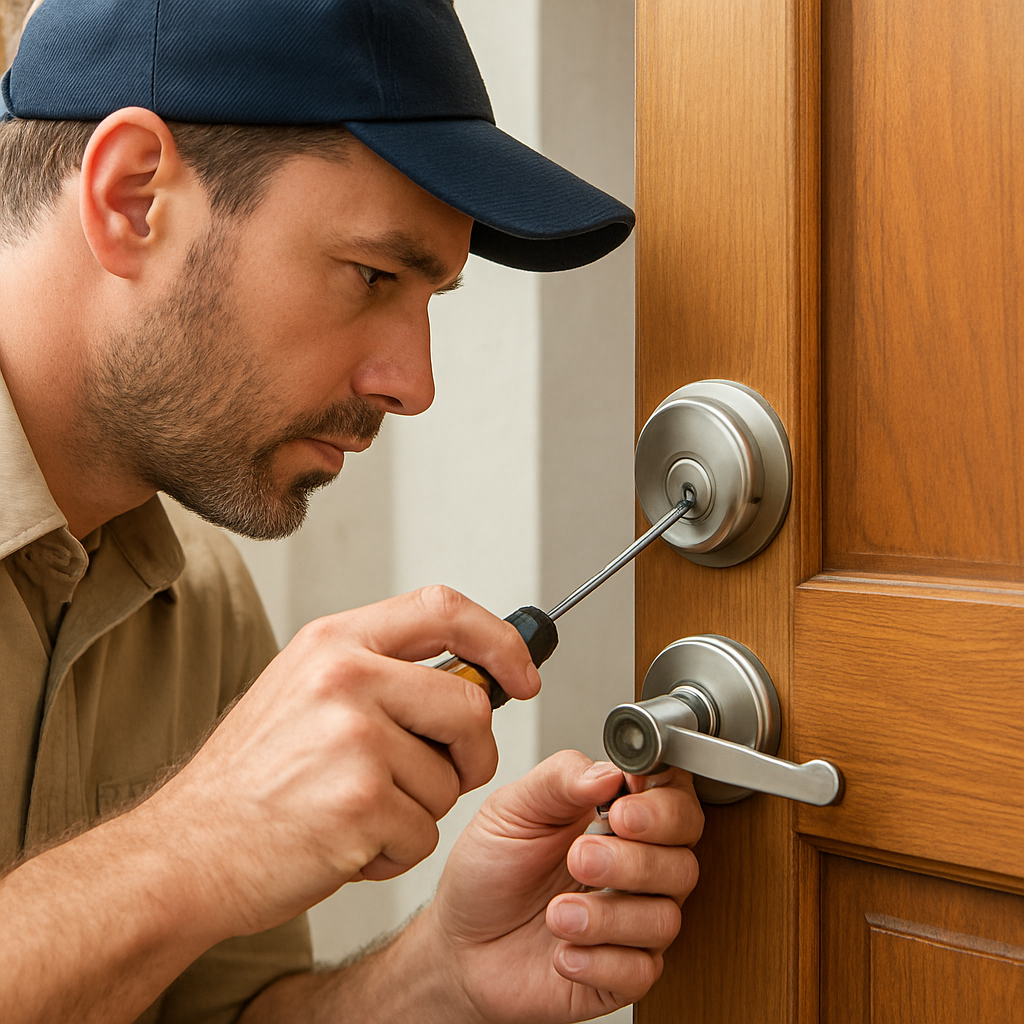
Experienced locksmiths attempt non-destructive methods first, using picks, tension tools, and specialised cases where appropriate. If non-destructive options fail, the next step may be to remove the cylinder or pick the lock with advanced tools. Certain frames and multipoint systems complicate access and can make non-destructive entry impractical. A good technician will show you the damaged part and offer options with associated costs for repair versus replacement.
Protect yourself from dishonest locksmith practices
If the quoted price on the phone is wildly lower than other local quotes, treat it with suspicion and verify before they arrive. Legitimate pros will show you the lock and explain why drilling is necessary rather than insisting on it outright. A real local business leaves a paper trail, such as an invoice with a tax number and contact details you can verify later.
When to change your locks after a lockout
Lost or stolen keys make a lock change a sensible precaution to protect against unauthorised entry. Old cylinders that stick, keys that require force, or visible rust are indications a change will reduce future problems. Upgrading to a higher security cylinder or a certified anti-snap lock is worth the cost if you live in an area with break-in attempts.
Small habits and upgrades that prevent getting locked out
Store a spare with a reliable friend or in a locked box with a code to avoid emergency calls. Use keyless entry options where appropriate, such as smart locks with temporary codes for trusted visitors. Small behavioural changes have big effects on reducing lockout frequency.
Common edge cases and tough situations
Historic apartment doors and bespoke hardware often require careful handling and may need parts ordered. Some leases require the landlord's approval for lock changes unless there is an emergency. Cars with transponder keys often require the new key to be programmed, which adds time and cost.
What to confirm before, during, and after the locksmith visit
Get a breakdown of fees so you know what you are paying for and whether taxes apply. Request a receipt with the company name, address, tax ID if available, and a clear description of the work performed. If the locksmith offers a warranty on parts or labour, ask for that guarantee in writing and clarify its duration.
Final practical notes from the field
A simple card with a vetted locksmith's number saved in your contacts is worth its weight in calm minutes. Document the name and registration plate of the vehicle that arrives and take a photograph of the technician's ID if you feel uneasy. Trust your instincts and verify credentials when something feels off, rather than accepting the first arrival uncritically.
Real-world experience shows that preparation, verification, and reasonable expectations lead to the best outcomes.